MindImmerse

Rehearse the crisis conversation before it is real.

MindImmerse Crisis Response Planning Training puts a trainee in the room with Daniel Morales, a fictional Army veteran who presents in an emergency department after a suicidal crisis. The trainee talks with him by voice, builds his crisis response plan in his own words, and debriefs with Dr. Lena Hayes, an AI instructional coach.

Daniel Morales, an AI character, in a recorded practice session

What the training asks of a trainee.

Each session is one conversation with one client, from the first guarded exchange to a finished plan.

  1. Earn the client's trust

    Daniel is guarded, the way many clients are after a crisis. What he shares depends on how skillfully the trainee engages him.

  2. Build the plan in his words

    The trainee and Daniel work through a crisis response plan together, recorded in his language rather than the trainee's.

  3. Debrief with a coach

    Dr. Lena Hayes, an AI instructional coach, reviews the session with the trainee. She is not a clinician or a substitute for supervision.

    Dr. Lena Hayes, an AI instructional coach, opening a debrief

From the practice activity

Daniel's plan, in his words.

A crisis response plan has one job: to hold up when no one else is awake. Trainees build Daniel's card from what he actually said in session, then test it against the moment it was made for.

About 70 seconds · with sound
My Crisis Response Plan Daniel M.
1When I notice these warning signs…
  • I stop sleeping. Two, three hours a night, and that went on for days.
  • I quit answering Mariana's texts. I just go dark.
  • The thought gets loud: “everybody'd be better off.”
2…I can do these things on my own
  • I run. Out the door, and I go until my legs give.
  • My playlist, headphones, loud. Blocks everything else out.
  • Ranger. Just having him right there on the couch with me.
3My reasons for living
  • Mariana. She's the reason I picked up the phone at all.
  • Finishing my degree. First one in my family.
  • My dog Ranger. Nobody else is gonna walk him at 6 a.m.
Front · flip for steps 4 and 5
If I still need help… Daniel M.
4People I can reach out to
  • Mariana, 555-0119. She said call anytime. She means it.
  • Marcus, from my unit. He gets it without me explaining.
  • My mom, 555-0143. She's up before five anyway, and she'd rather I called.
5Professional & crisis support · 24/7
  • Crisis Text Line: text HOME to 741741, any hour.
  • Veterans Crisis Line: 9-8-8, press 1, or text 838255.
  • Arlington Regional ED. Come back any time, 24/7.
Back · always ends with 24/7 help

Simulated case. Names and numbers are fictional.

See a full session.

Recorded sessions and live walkthroughs are available to training programs, research partners, and funders on request.

Request a walkthrough

Built on crisis response planning.

Crisis response planning has randomized trial evidence behind it. Training programs have few ways to let learners rehearse delivering it before they meet a client in crisis.

76%

Fewer suicide attempts over six months among active-duty soldiers who received a crisis response plan, compared with a contract for safety (5% vs. 19%; hazard ratio 0.24). The trial enrolled 97 soldiers presenting for emergency behavioral health care at Fort Carson, Colorado.

Bryan, C. J., Mintz, J., Clemans, T. A., Leeson, B., Burch, T. S., Williams, S. R., Maney, E., & Rudd, M. D. (2017). Journal of Affective Disorders, 212, 64–72. doi:10.1016/j.jad.2017.01.028
At a glance
LearnersGraduate students and clinicians in social work, counseling, substance use disorder treatment, and nursing.
FormatA voice conversation with a fictional AI standardized client, with captions and transcripts for all spoken output.
Work productA crisis response plan in the client's own words.
FeedbackA structured debrief from an AI instructional coach.
SafeguardsNo clinical decision support, diagnosis, treatment, or crisis counseling.
AccessRuns in a web browser. No headset or installation.

Veteran-owned. Built by clinicians.

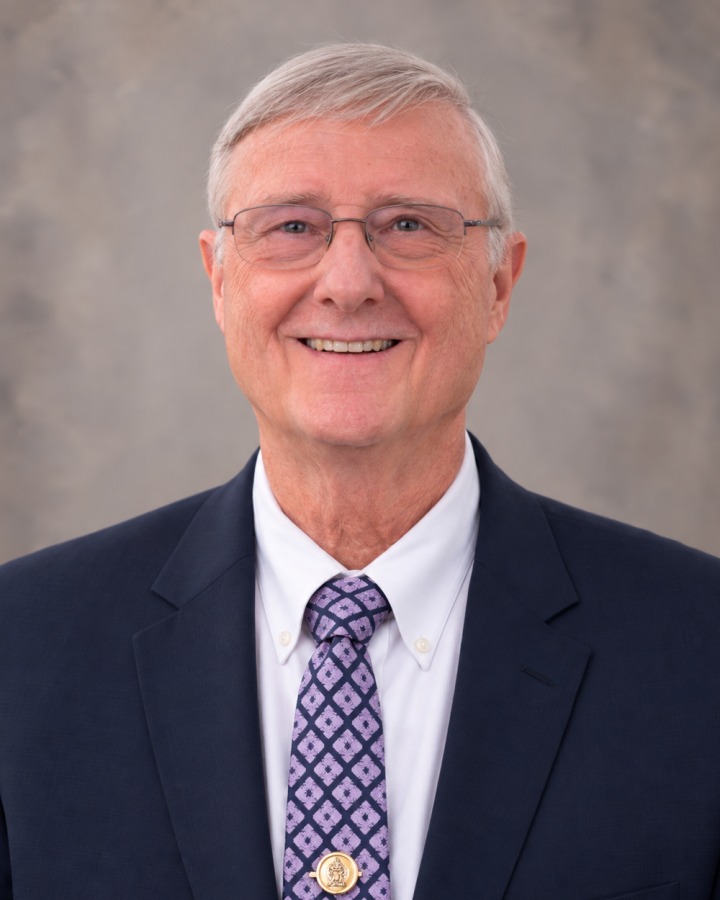
MindImmerse is a veteran-owned small business. A clinical advisory team of veterans and practicing clinicians, chaired by Dr. Donald Schuman, reviews the platform's content, affect, and workflow.

Donald Schuman

PhD, LCSW-S, LCDC · Co-founder and Managing Member

Vietnam combat infantryman who served 27 years in the U.S. Army and retired as a Sergeant Major (E-9). Built a second career in substance use treatment. University associate professor of practice in social work. Leads business strategy and operations.
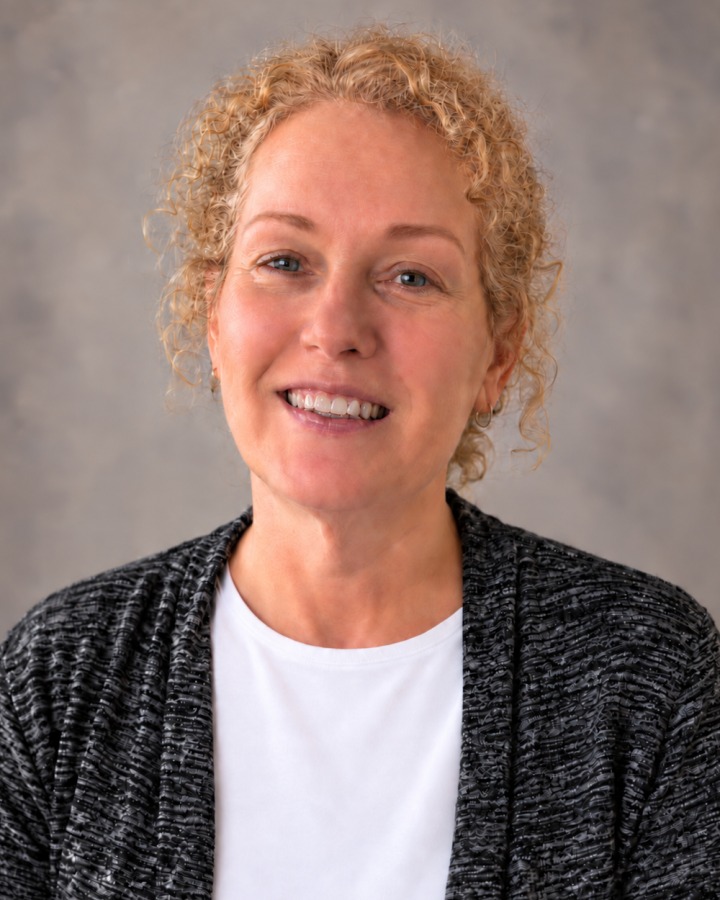
Donna Schuman

PhD, LCSW, LPC, BCB, BCN · Co-founder and Chief Science Officer

University associate professor of social work and former Army and VA clinician. Tillman Scholar. Researcher in veteran suicide prevention and simulation training. Board certified in biofeedback and neurofeedback and President-Elect of the Biofeedback Society of Texas. Designed and built the training platform. Leads clinical design and research.

Clinical Advisory Board

  • Dayton Ann Williams

    Dayton Ann Williams

    MBA, PMP, MSW

    Military-connected veteran advocate, published author, and certified mental health peer support specialist. She writes on grief and the loss of her son, a Marine who served multiple combat tours, and provides pro bono telehealth peer support to veterans.

  • Andrew Picart

    Andrew Picart

    MSW, LMSW, PMP

    U.S. Army veteran, certified mental health peer support specialist, and program director of a VA case management program focused on military sexual trauma. Former Veterans Crisis Line counselor.

  • Dr. Alex Conroy

    Dr. Alex Conroy

    Clinical psychologist

    Veteran spouse, clinical psychologist, and addictions counselor specializing in trauma treatment for high-risk populations. More than 25 years in the state college system, including consulting on instructional program design and evaluation.

  • Rigo Sanchez

    Rigo Sanchez

    LMSW

    U.S. Marine Corps infantry veteran providing crisis intervention and suicide prevention services in a juvenile detention setting.

Full biographies

Bring AI clinical simulation to your program.

We work with universities, training programs, clinics, and research teams. Tell us who your learners are and what they need to be able to do.

Email donald@mindimmerse.com